
In modern home improvement and commercial design, surface materials play a major role in both aesthetics and functionality. Homeowners, architects, and contractors are increasingly searching for materials that combine durability, flexibility, and a clean visual appeal. As design trends shift toward minimalism and seamless interiors, solid-surface materials have gained significant attention in kitchens, bathrooms, healthcare facilities, and commercial environments.
One of the key challenges in interior construction today is selecting materials that offer both long-term performance and design versatility. Traditional surfaces such as natural stone or laminate can sometimes present limitations in maintenance, customization, or cost. Because of this, many professionals are turning to engineered surface materials that offer greater consistency and adaptability.
Solid surface products have evolved significantly in recent years, offering improved durability and design possibilities. Manufacturers in this industry continue to develop solutions that help designers create modern, functional, and visually balanced spaces.
Why Solid Surface Materials Are Becoming a Preferred Choice
Solid surface materials have gained popularity in both residential and commercial construction due to their durability and versatility. Unlike porous materials, solid surface sheets are engineered to create smooth, non-porous finishes that resist stains, moisture, and bacteria. This makes them particularly suitable for kitchens, bathrooms, hospitals, and laboratories where hygiene and cleanliness are critical.
Another advantage is their seamless design capability. Fabricators can join solid surface sheets in ways that eliminate visible seams, creating continuous surfaces that appear sleek and modern. This design flexibility helps architects and interior designers create contemporary interiors that emphasize simplicity and visual harmony.
In addition to aesthetics, these materials are known for their repairability. Small scratches or minor damage can often be restored through simple refinishing rather than replacing the entire countertop. For property owners and contractors, this reduces maintenance costs over time.
Many professional suppliers offering solid surface wholesale solutions provide a wide variety of colors, patterns, and textures. This variety allows designers to match surfaces with cabinetry, flooring, and other interior elements while maintaining a cohesive design style.
Custom Countertop Solutions for Modern Interiors
Customization has become a central feature of modern interior design. Today’s homeowners want kitchens and bathrooms that reflect their individual style while still offering practical functionality. Solid surface materials allow for this level of personalization.
Fabricators can shape these materials into curved edges, integrated sinks, and seamless backsplashes. These features are much harder to achieve with traditional stone materials, which often require more complex installation techniques.
Designers frequently prefer custom solid surface countertops because they provide flexibility in dimensions, edge profiles, thickness, and color selection. This allows each project to be tailored according to the unique requirements of a home or commercial environment.
Another benefit of customization is the ability to integrate functional features such as drainage grooves, wall panels, or smooth transitions between surfaces. These elements enhance both usability and visual continuity within the space.
As modern design increasingly focuses on personalized interiors, customizable solid surface solutions continue to offer valuable creative possibilities.
The Importance of Experienced Manufacturers
Behind every reliable surface material is a manufacturer with strong technical expertise and strict quality standards. In the solid surface industry, manufacturers play an important role in ensuring consistent product performance and visual uniformity.
Advanced manufacturing technology allows producers to maintain consistent density, color distribution, and structural strength across each sheet. These factors are essential for long-term durability and successful fabrication during installation.
Manufacturers that focus on research and product development can also introduce new textures, finishes, and color variations that align with evolving design trends. This continuous innovation helps architects and interior designers explore new creative concepts.
In addition to product quality, professional manufacturers typically offer technical support, fabrication guidance, and supply reliability. These services help builders, contractors, and distributors manage projects more efficiently and reduce potential installation challenges.
Expanding Applications in Residential and Commercial Spaces
Solid surface materials are now widely used across multiple industries due to their adaptability and performance. In residential settings, they are commonly installed in kitchen countertops, bathroom vanities, shower walls, and laundry rooms. Their moisture resistance and low maintenance requirements make them ideal for high-use areas.
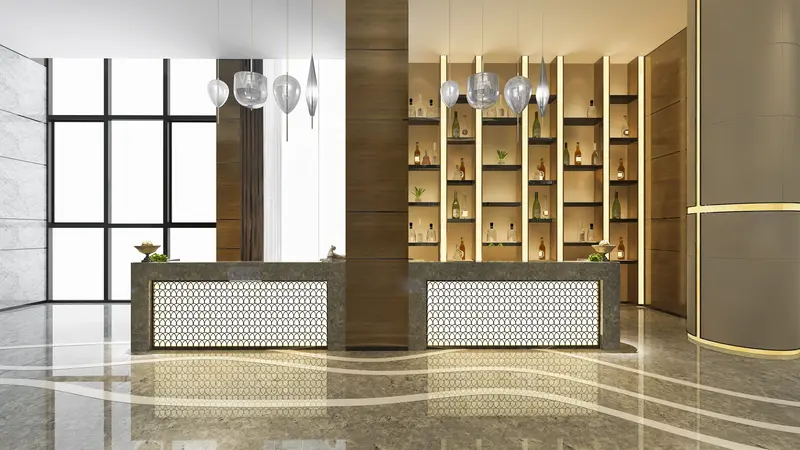
Commercial spaces also benefit greatly from these materials. Offices, hotels, restaurants, and retail stores frequently incorporate solid surface panels for reception desks, wall cladding, and service counters.
Healthcare environments especially value the non-porous nature of solid surfaces because they support hygienic environments and are easy to sanitize. Hospitals, clinics, and laboratories often rely on these materials for medical counters and workstations.
The hospitality industry also uses solid surface materials to create visually appealing yet durable spaces for guests. From hotel lobbies to restaurant bars, these surfaces help combine modern aesthetics with long-term functionality.
Conclusion
As the construction and interior design industries continue to evolve, the demand for materials that combine durability, hygiene, and aesthetic flexibility keeps growing. Solid surface materials have proven to be a practical solution that meets these modern expectations.
Their seamless appearance, repairability, and customization capabilities make them suitable for both residential and commercial applications. When manufactured with advanced technology and strict quality standards, these materials provide reliable long-term performance.
Looking ahead, designers and builders will likely continue adopting solid surface solutions as they pursue cleaner designs, functional spaces, and innovative architectural concepts. With ongoing advancements in manufacturing and customization, solid surface materials are well-positioned to remain an essential element in the future of modern interior design. See more