
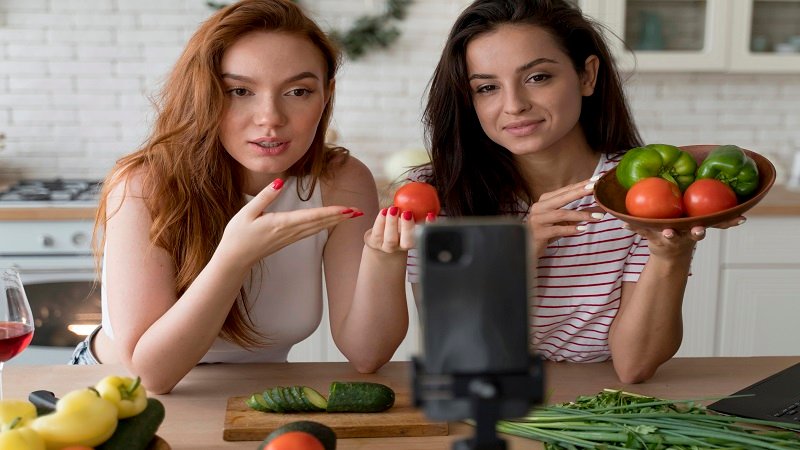
The food industry is evolving faster than ever before. Social media platforms launch viral dishes overnight. Home cooks experiment with global spices. Technology reshapes how people discover, prepare, and consume meals. At the center of this transformation stands food trends jalbiteblog, a powerful digital food lifestyle platform that explores flavor innovation and the intersection of technology and dining.
JalbiteBlog, also known as “JustALittleBite,” does more than report trends. It analyzes them, explains them, and helps readers apply them in real kitchens. Its 2025 and 2026 forecasts highlight how digital culture, wellness awareness, and sustainability redefine modern eating habits.
In this complete guide, you will discover:
-
How digital dining shapes food culture
-
Why viral recipes dominate modern kitchens
-
The rise of functional and wellness foods
-
The shift toward plant-forward and blended products
-
The explosion of global and spicy innovation
-
The evolution of snacking as the new meal
-
The content pillars that make JalbiteBlog unique
Let’s explore how these trends shape the future of food.
The Digital Dining Revolution
First, you must understand the foundation of modern food culture: digital influence. Social media platforms like TikTok, Instagram, and YouTube drive today’s culinary conversations. A 30-second video can transform a simple cucumber salad into a global sensation.
JalbiteBlog examines this transformation closely. It explains how online food trends move from screens to real-world kitchens almost instantly. This shift changes not only what people cook but also how they think about food.
From Scroll to Stove
Digital dining works in three clear stages:
-
Discovery – A recipe or ingredient goes viral.
-
Replication – Millions recreate it at home.
-
Reinvention – Users add their own twists and repost.
As a result, food trends evolve rapidly. Instead of waiting for professional chefs to introduce innovations, everyday creators now lead the movement.
Moreover, digital platforms encourage experimentation. Users feel empowered to try bold flavor combinations without formal training. JalbiteBlog highlights this democratization of food culture as one of the defining characteristics of modern cuisine.
Flavor Revolution: Creativity Over Tradition
Another major theme in food trends jalbiteblog, is the “Flavor Revolution.” In 2025 and 2026, innovation matters more than perfection. Home cooks no longer chase fine-dining complexity. Instead, they focus on imagination and collaboration.
User-Generated Flavor Combinations
Today’s food lovers mix sweet with spicy, sour with smoky, and traditional with modern. For example:
-
Chili oil on vanilla ice cream
-
Pickle-flavored dips
-
Fusion tacos with Korean barbecue
-
Dessert hummus with chocolate or cookie dough flavors
Rather than following strict culinary rules, creators embrace playful experimentation. JalbiteBlog emphasizes that this creativity reflects cultural blending and digital influence.
Furthermore, collaboration fuels innovation. Chefs partner with influencers. Brands co-create limited-edition flavors. Online communities test and refine recipes together. Consequently, flavor innovation accelerates.
Functional & Wellness Foods: Food as Medicine
Modern consumers demand more than taste. They want benefits. Therefore, functional foods dominate current discussions.
JalbiteBlog strongly highlights the rise of “food as medicine.” People now choose ingredients based on specific health outcomes.
Key Functional Food Trends
-
Gut Health Support
Fermented foods like kimchi, kefir, and kombucha are gaining popularity. Prebiotic fiber from chicory root and oats appears in everyday snacks. -
Immunity Boosters
Turmeric, ginger, elderberry, and citrus dominate wellness recipes. -
Stress-Relief Ingredients
Adaptogens like ashwagandha and mushrooms such as reishi enter beverages and smoothies. -
Protein-Focused Products
High-protein yogurts, plant-based protein blends, and fortified snacks attract busy professionals.
Importantly, consumers research ingredients before buying. They read labels carefully. They demand transparency. JalbiteBlog’s explainers help readers understand which claims are meaningful and which are marketing hype.
As a result, informed decision-making becomes part of the modern food experience.
Snacking as the New Meal
Traditional breakfast, lunch, and dinner patterns continue to shift. Busy lifestyles encourage flexibility. Therefore, all-day snacking replaces structured meals.
JalbiteBlog calls this movement “nutrient-dense mini-meals.” Instead of eating three large portions, many people consume smaller balanced snacks throughout the day.
Why Snacking Dominates
-
Remote work allows flexible schedules
-
Fitness culture promotes protein distribution
-
Consumers prioritize convenience
-
Meal-prep culture supports grab-and-go options
Examples include:
-
Greek yogurt with nuts and fruit
-
Protein wraps
-
Energy bites
-
Mini charcuterie snack packs
-
Smoothie bowls
However, this trend does not promote mindless eating. Instead, it emphasizes intentional snacking. Nutritional value matters more than ever.
Consequently, brands innovate packaging, portion control, and portable formats to meet demand.
Global & Spicy Innovation
Flavor exploration continues to expand globally. People crave international cuisines and bold spices.
JalbiteBlog frequently covers emerging global influences, especially the growing fascination with spicy food.
The Rise of Heat
Spicy flavors now appear in unexpected places:
-
Hot honey on pizza
-
Chili crisp in pasta
-
Spicy mango desserts
-
Wasabi snacks
-
Ghost pepper sauces
Consumers associate heat with excitement and adventure. Additionally, spicy food often signals authenticity in global dishes.
Cultural Blending
Global cuisine no longer remains geographically confined. Instead, chefs blend traditions:
-
Mexican-Korean tacos
-
Japanese-Peruvian sushi
-
Indian-inspired burgers
-
Mediterranean grain bowls
This cultural exchange reflects digital connectivity. Through food, people explore heritage, migration, and creativity.
JalbiteBlog provides context for these trends, explaining origins and encouraging respectful appreciation rather than superficial imitation.
Sustainable & Plant-Forward Eating
Sustainability drives purchasing decisions more strongly than ever. Consumers want environmentally responsible options. Therefore, plant-forward eating dominates forecasts.
However, instead of complete veganism, many consumers identify as flexitarians. They reduce meat consumption without eliminating it.
Blended Products
One of the most important innovations involves blended products. These combine meat with plant-based proteins such as:
-
Lentils
-
Faba beans
-
Mushrooms
-
Chickpeas
For example, a blended burger might contain 70% beef and 30% mushroom-lentil mix. This approach:
-
Reduces environmental impact
-
Maintains familiar flavor
-
Improves texture
-
Increases fiber content
JalbiteBlog explores how these products appeal to mainstream audiences rather than niche markets.
Additionally, the blog highlights regenerative agriculture, eco-friendly packaging, and local sourcing as essential parts of sustainable dining.
Content Pillars That Define JalbiteBlog
Beyond trend forecasting, JalbiteBlog organizes its content into clear pillars. These pillars provide structure and depth.
1. Trend Explainers
These deep dives analyze why certain foods go viral. For example:
-
Dirty Sodas
-
Viral cucumber salads
-
Cloud bread
-
Butter boards
Rather than simply reposting recipes, JalbiteBlog explains the psychology behind virality. It examines visual appeal, algorithmic boost, and cultural timing.
2. Seasonal Warmers
The platform also provides comforting recipes tied to seasons. Examples include:
-
Wassail during the winter holidays
-
Italian sodas for summer refreshment
-
Pumpkin spice variations in fall
Seasonal content keeps readers engaged year-round.
3. Kitchen Problem-Solvers
Practical guidance builds loyalty. JalbiteBlog offers solutions like:
-
Hummus without tahini
-
Keto-friendly soups
-
Budget meal swaps
-
Ingredient substitutions
These guides empower home cooks to adapt recipes confidently.
4. Culture & Classics
Finally, the blog revisits traditional dishes and modernizes them. For example:
-
Gallo Pinto reimagined with plant-forward ingredients
-
Eye of Round Roast adapted for slow cookers
-
Classic stews updated with global spices
This pillar respects heritage while encouraging innovation.
How Technology Shapes Modern Food Trends
Technology influences every stage of food production and consumption.
AI and Recipe Development
Artificial intelligence now helps generate recipe variations. Data analysis predicts flavor pairings. Personalized nutrition apps suggest meal plans based on health goals.
JalbiteBlog explores how these technologies intersect with creativity rather than replace it.
Smart Kitchens
Smart ovens, app-connected air fryers, and digital thermometers improve precision. As a result, home cooks achieve professional results more easily.
E-Commerce and Subscription Models
Meal kits, grocery delivery apps, and subscription snack boxes expand access to diverse ingredients. Consumers experiment more because convenience lowers barriers.
Why Food Trends Spread Faster Than Ever
Several factors accelerate modern trends:
-
Short-form video content
-
Influencer marketing
-
Global shipping networks
-
Algorithm-driven exposure
-
Community-based engagement
In previous decades, trends spread slowly through magazines or restaurants. Today, millions adopt new recipes within days.
Therefore, staying informed matters. Platforms like JalbiteBlog help readers distinguish lasting movements from temporary fads.
Predictions for 2026 and Beyond
Looking ahead, several patterns will likely strengthen:
-
Increased personalization in nutrition
-
More climate-conscious food production
-
Greater cultural collaboration
-
Expansion of functional beverages
-
Continued rise of hybrid dining experiences
Moreover, transparency will remain crucial. Consumers will demand honest sourcing, clear labeling, and ethical practices.
JalbiteBlog will continue documenting these changes while offering actionable insights.
Practical Tips to Apply These Trends at Home
Understanding trends matters. However, applying them creates real value. Here’s how you can implement them:
Experiment with Global Flavors
Add chili crisp, za’atar, or gochujang to familiar recipes.
Embrace Blended Proteins
Mix lentils into ground beef or turkey for sustainable meals.
Build Balanced Snack Plates
Combine protein, fiber, and healthy fats for all-day energy.
Try Functional Ingredients
Add turmeric to soups or kefir to smoothies.
Follow Seasonal Inspiration
Rotate recipes according to seasonal produce.
By taking small steps, you can align your kitchen with modern culinary movements.
The Cultural Impact of Digital Food Platforms
Digital platforms do more than share recipes. They shape identity. Food connects communities. It preserves traditions while encouraging innovation.
JalbiteBlog represents this cultural intersection. It bridges technology and taste. It celebrates both heritage and experimentation.
As digital culture continues evolving, food will remain one of its most powerful expressions.
Final Thoughts
The modern food landscape moves quickly. Social media drives creativity. Wellness shapes ingredient choices. Sustainability influences purchasing decisions. Global flavors expand palates. Technology enhances precision.
Through detailed analysis and accessible guides, food trends jalbiteblog captures these shifts and explains their impact. The platform does not merely observe trends. It interprets them and empowers readers to participate.
As we move deeper into 2026, one truth remains clear: food reflects culture, technology, and values. By understanding these forces, you can cook smarter, eat better, and stay ahead of the curve. See more